

Translating a Love for Tailoring Into Summer
On black shorts, good leather shoes, and why silhouette should always be the focus

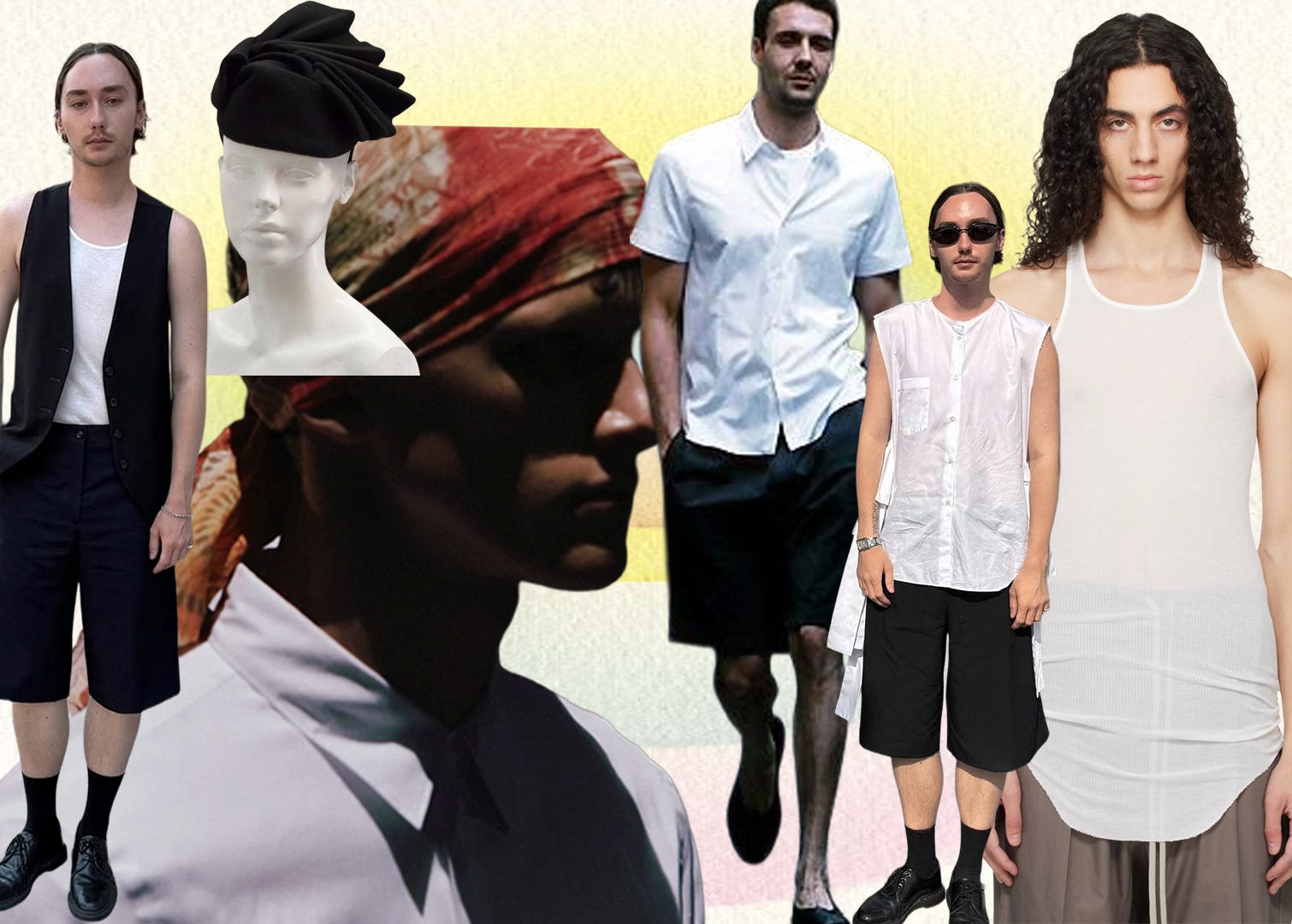
Every year, it’s the same old story when it comes to summer dressing. “I hate all my summer clothes from last year.” “I have no idea how to get dressed in the summer.” The heat arrives and suddenly everything you’ve spent the rest of the year building — all the thought on proportions, the intentional layering, the pieces you obsessed over — feels like it has to get packed away in favor of linen shorts and a plain white tee. Almost as if summer isn’t even worth trying to get dressed for. A few months where you just survive until you can get dressed again.
I felt this way for many years. I don’t anymore.
The change happened when I finally realized that the typical approach to summer dressing simply doesn’t reflect who I am. You will not see me in linen shorts unless I’m near a beach, probably not standard linen shirt either.
What I realized were that the principles I apply to getting dressed in October work just as well in July — they just require a little more thought to translate them correctly. Silhouette and proportion are still the most important thing to me. The difference between an outfit that you feel like yourself in and one that doesn’t isn’t the temperature outside. It’s whether you thought about what you were putting on and in turn, unlocked how to translate who you are into a summer version of it. You can’t hack your way into it. It needs to be planned and considered.
The layers come off, the fabrics get thinner, and for a lot of people that means spending three months feeling less like themselves. Less confident. And as a result, less powerful. I’ve felt that too. The answer isn’t to just accept it — it’s to be more intentional, not less. You can still find sculptural pieces. You can still play with silhouette and proportion even when the fabric is lighter. You don’t have to sacrifice how you feel about yourself just because it’s hot outside. You might have to sweat a little, but you’ll probably sweat anyway.
The other thing I’d say — and this is something I firmly believe — is that you have to invest in your summer wardrobe the same way you invest in fall and winter. Most people don’t care, since to them, summer clothes feel temporary, seasonal. disposable. And then every June they find themselves looking at last summer’s clothes thinking nothing feels right, while longingly looking forward to pulling out their fall wardrobe again come September. That cycle doesn’t end until you break it. Buy pieces you actually love. Build a summer wardrobe with the same intention you bring to everything else. I promise your future self next summer will thank you.
One note before we get into it: this isn’t a guide to beach dressing or vacation packing. This is about city life — getting dressed for work, dinners, weekends, real days. And while I’m a man and these are menswear references, the principles here are universal. Silhouette, proportion, and intention don’t belong to a gender.
(If you prefer to just browse, most things are linked here)
Start With the Shorts
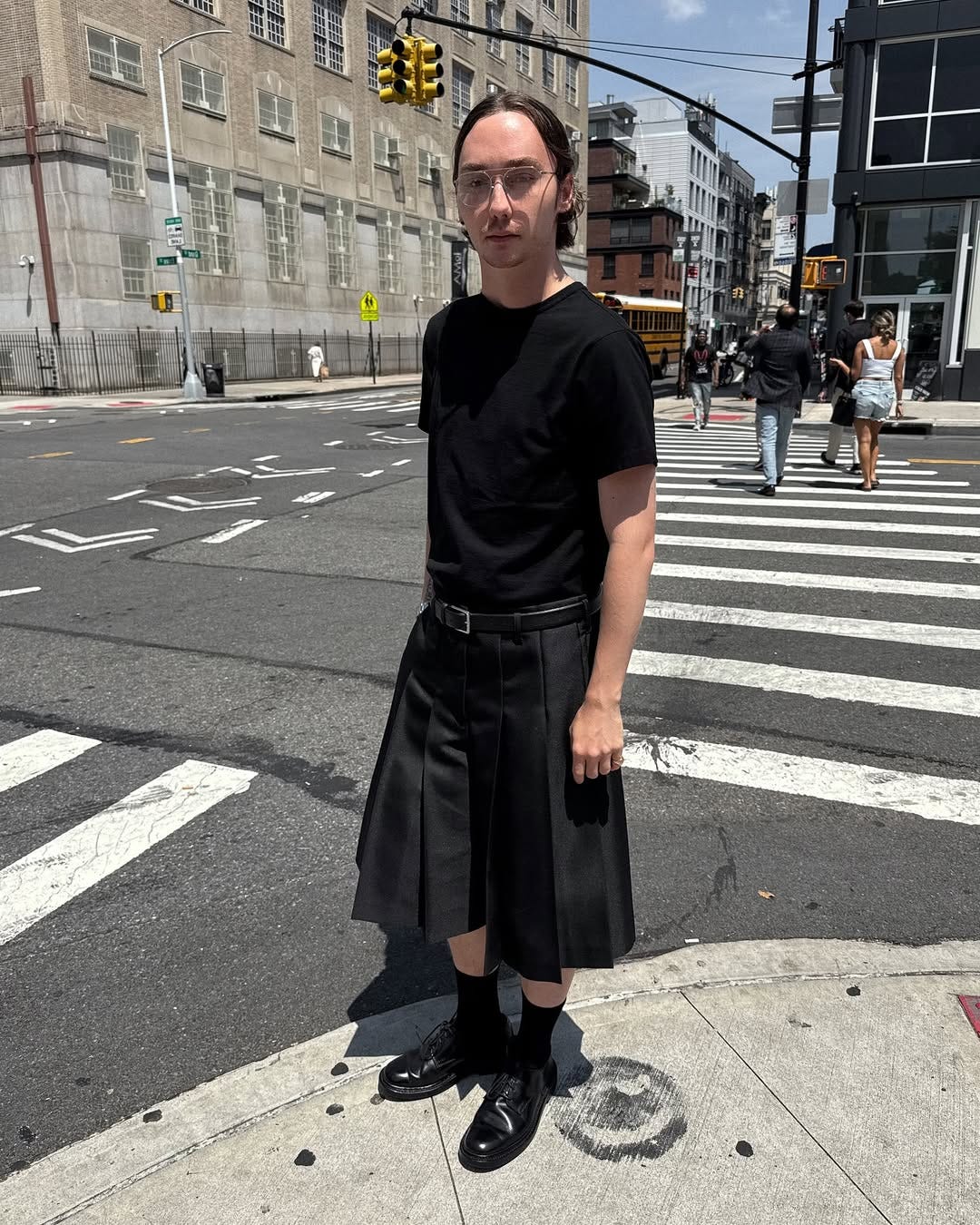
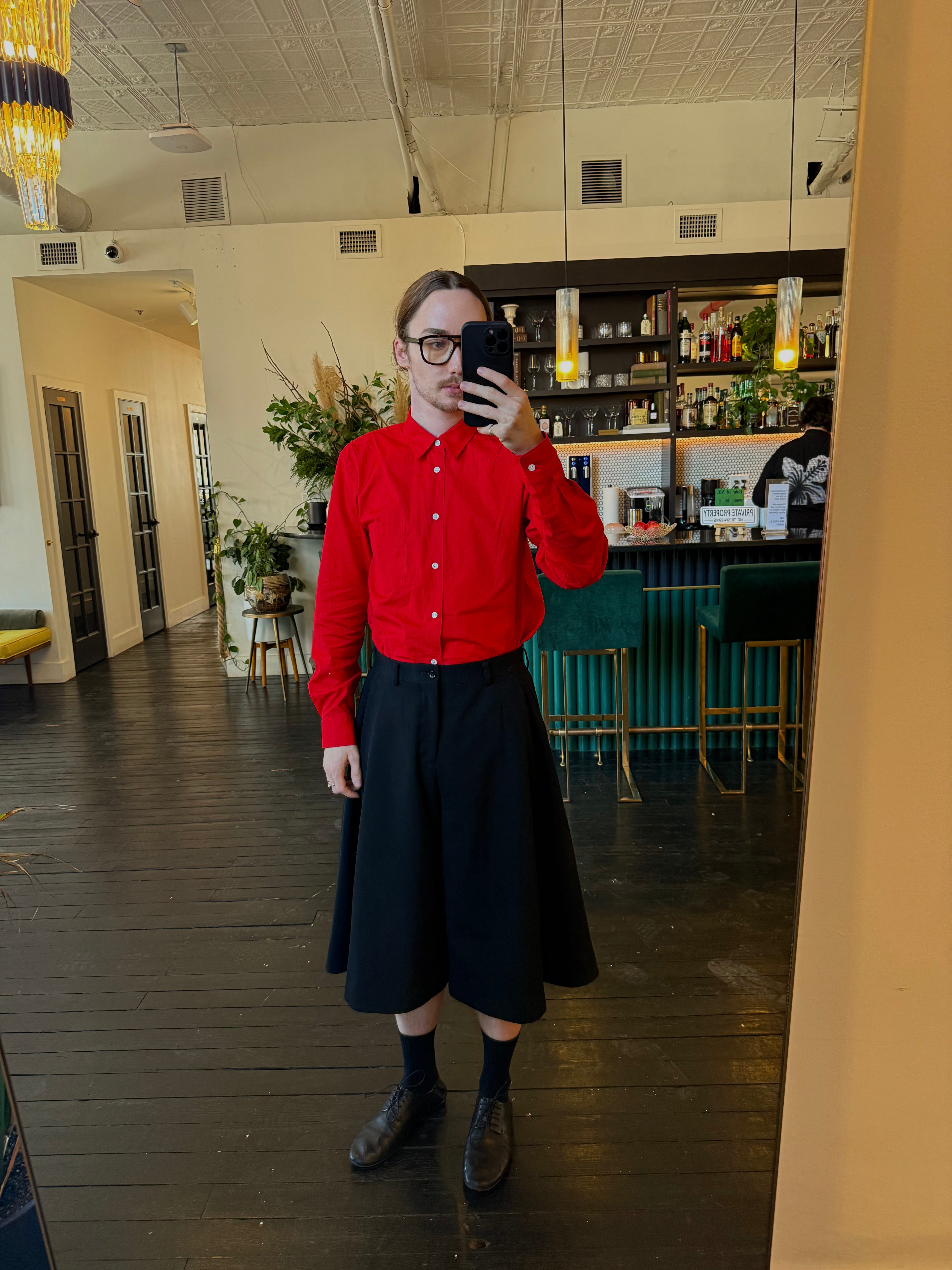
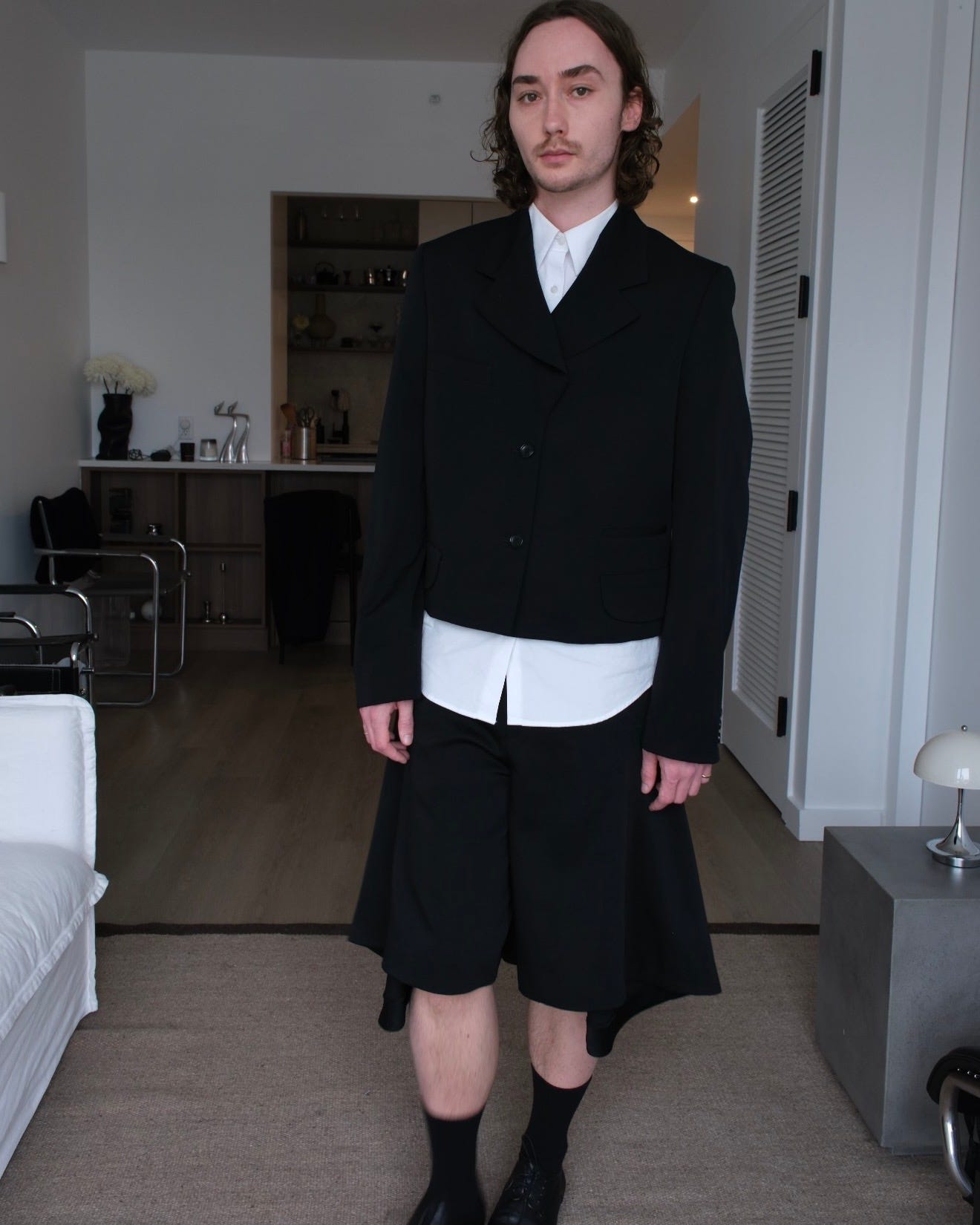
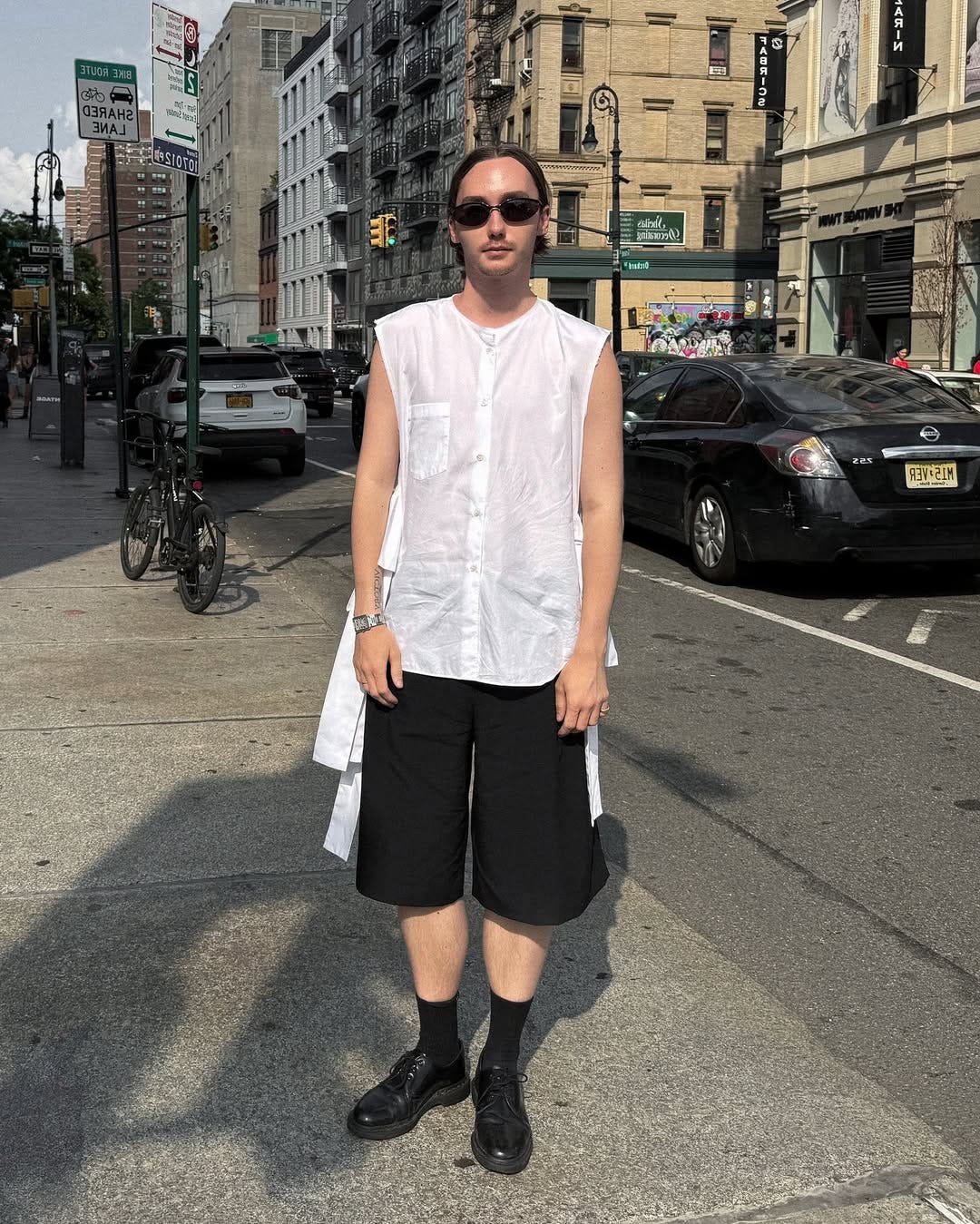
If there’s one piece that does the most work in my summer wardrobe, it’s a well-cut pair of black shorts. Not chino shorts. Not athletic shorts. And especially not cargo shorts (No shade). I’m talking about something with real construction — volume, a proper pleat or two, a hem that hits below the knee. The kind of shorts that do the work for you.
The reason I keep coming back to black is the same reason I wear it year-round: it makes silhouette the focal point of the look. Summer is oftentimes the season where people experiment with more color, but that’s not the case for me. When there’s no color to react to, the eye goes straight to shape. The shape is almost always where the interest lives.
For especially hot days, I opt for 100% wool, one that is thin and breathable. Other days, I may opt for something slightly heavy, and rely on shape and volume to let a little extra breeze in."
A lot of people reach for fitted or minimal pieces in summer because that’s what they think is expected — slim shorts, fitted tees, as little fabric as possible. But volume and drape can actually be more flattering and absolutely more freeing than anything tight. A pair of dramatically pleated shorts that hits below the knee does something interesting to your proportions that a pair of slim chinos never will. You feel covered and free, without feeling hidden. You feel like yourself without feeling layers of fabric clinging to your body.
I’ve worn pleated shorts from CDG Homme Plus that are so dramatically proportioned — the pleats flared and inverted, the hem landing well below the knee — that people stop me on the street (has happened so many times) not because the outfit is loud, but because the mechanics of the shorts are unusual in a way they can’t quite place and likely haven’t seen before. The goal isn’t to look like you tried too hard, but when one piece is pulling this much weight, you are actually trying way less.
A great pair of black shorts is the foundation everything else gets built on.
The Vest
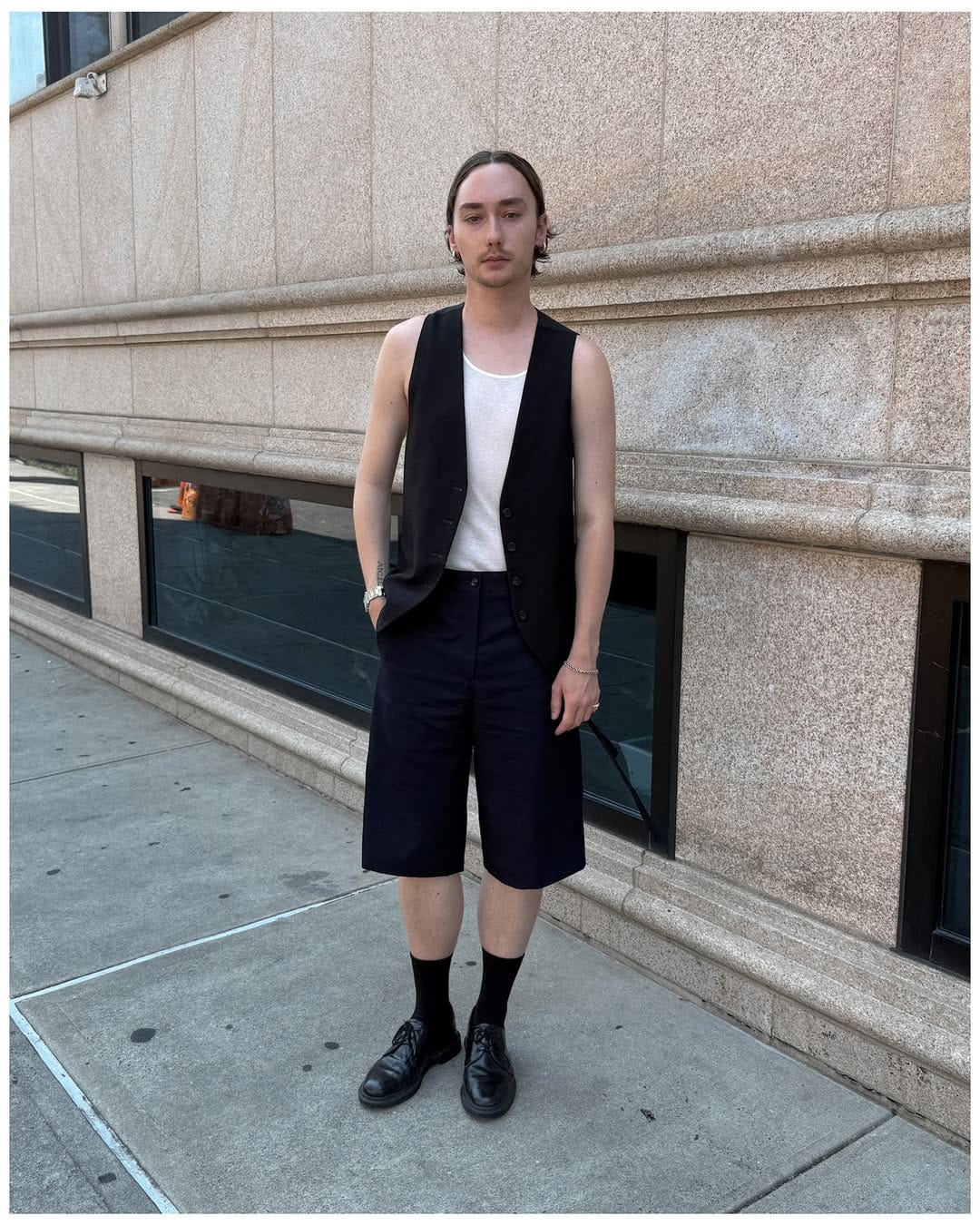
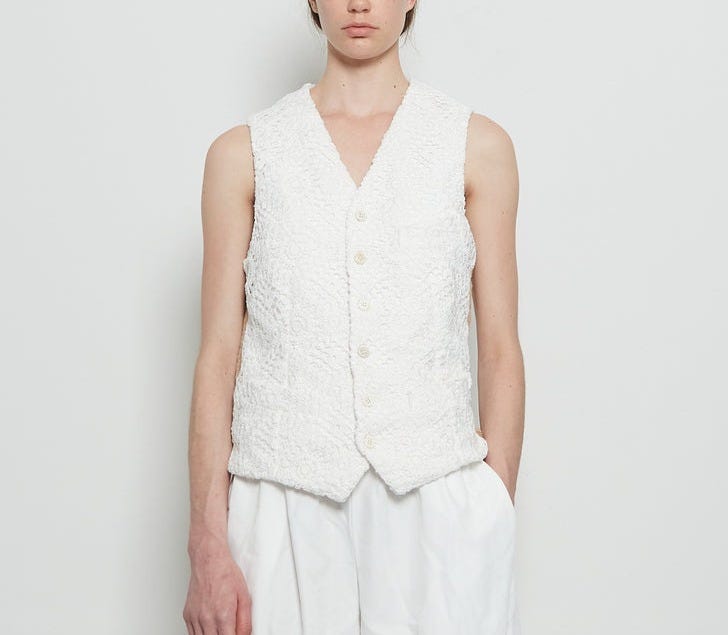
One piece I’ve loved for the summertime for several years now is the suit vest — and I don’t think it gets nearly enough credit. Here’s the thing about summer dressing for people who actually have places to be: a simple tank top — even a great one, even a sheer Rick Owens one that works perfectly on its own on a weekend — sometimes just doesn’t read as elevated enough for certain settings. Work, dinners, anywhere you want to look like you put thought into it. The vest solves that problem in a very elegant way. I love to just throw it over a tank or a sleeveless top and enjoy the added structure and tailoring without adding too much extra warmth. You get the formality of suiting without the sleeves.
But there’s a second reason I keep reaching for vests in summer that I think is under-appreciated: wardrobe continuity. The vests I wear in fall and winter layered over shirts translate almost directly into summer worn over tanks. The same piece, the same silhouette, a different season. If you’re building a wardrobe and buying pieces that last and that you’ll still want in five, ten, fifteen years — the vest is one of the most versatile investments you can make. It’s a style that can work all year long if you let it.
Ann Demeulemeester makes some of the most beautiful vests — long, dramatic, with construction details that elevate them well beyond what most people picture when they think waistcoat. I was so happy when I finally got one around two years ago.
Yohji Yamamoto is equally worth seeking out — his vests carry the same DNA as the rest of his work, that signature drape and play with proportion make even a simple piece feel considered. But the principle applies broadly. Find one you love, with a great fabric and with real construction, and watch how many months of the year you reach for it.
The White Shirt — But Make It Interesting
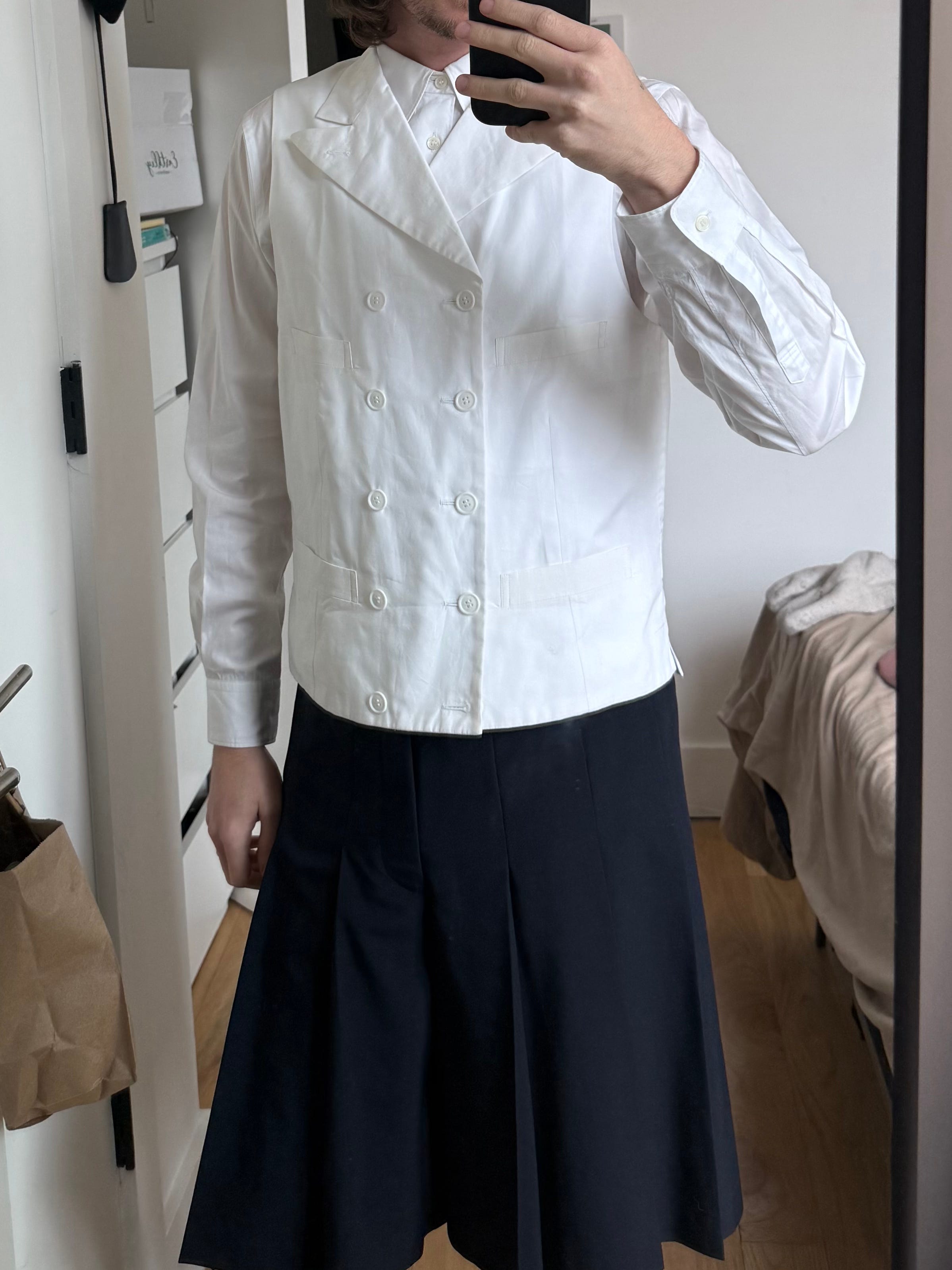
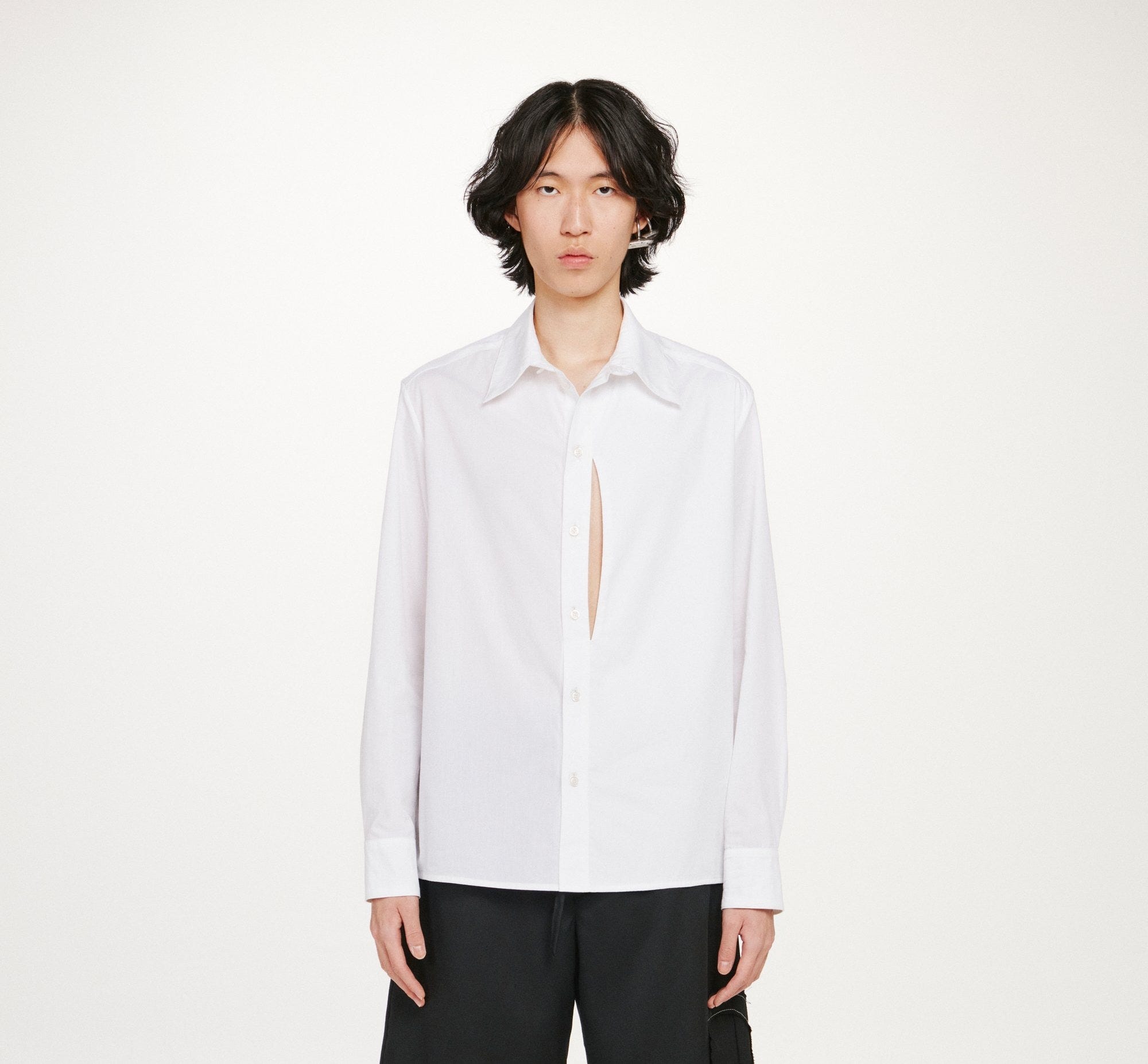
The white button-up shirt is arguably the most reliable piece in existence. It works in every season, at every occasion, across virtually every aesthetic. There’s a reason Rei Kawakubo reportedly has new members of her team sit down and make a white shirt as part of the interview process — it’s the ultimate test of whether someone truly understands construction, proportion, and the decisions that separate something ordinary from something worth remembering. In summer it earns its place even more because the white reflects heat, the cotton breathes, and against an all-black bottom half it creates a contrast that’s clean and never gets boring.
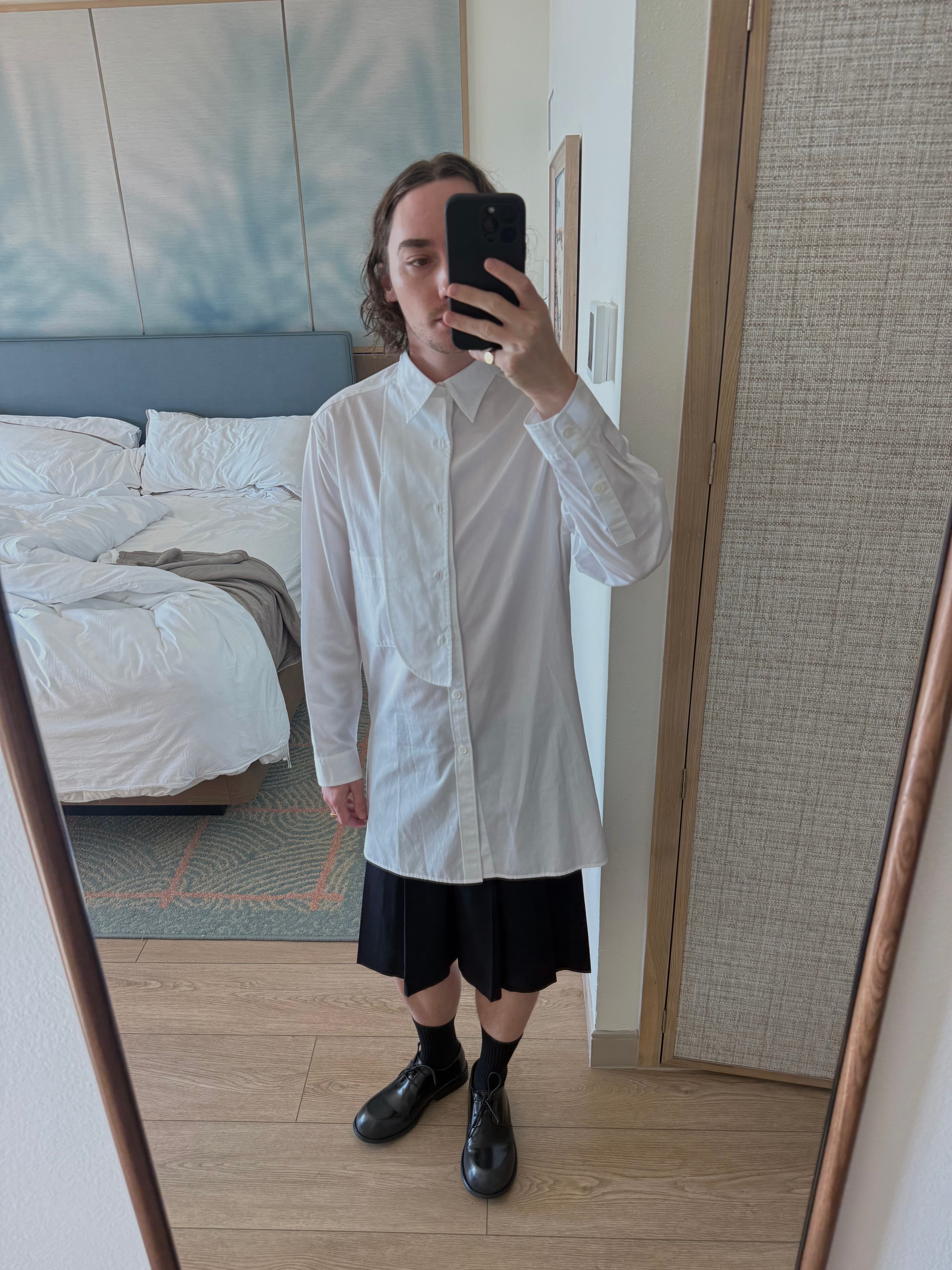
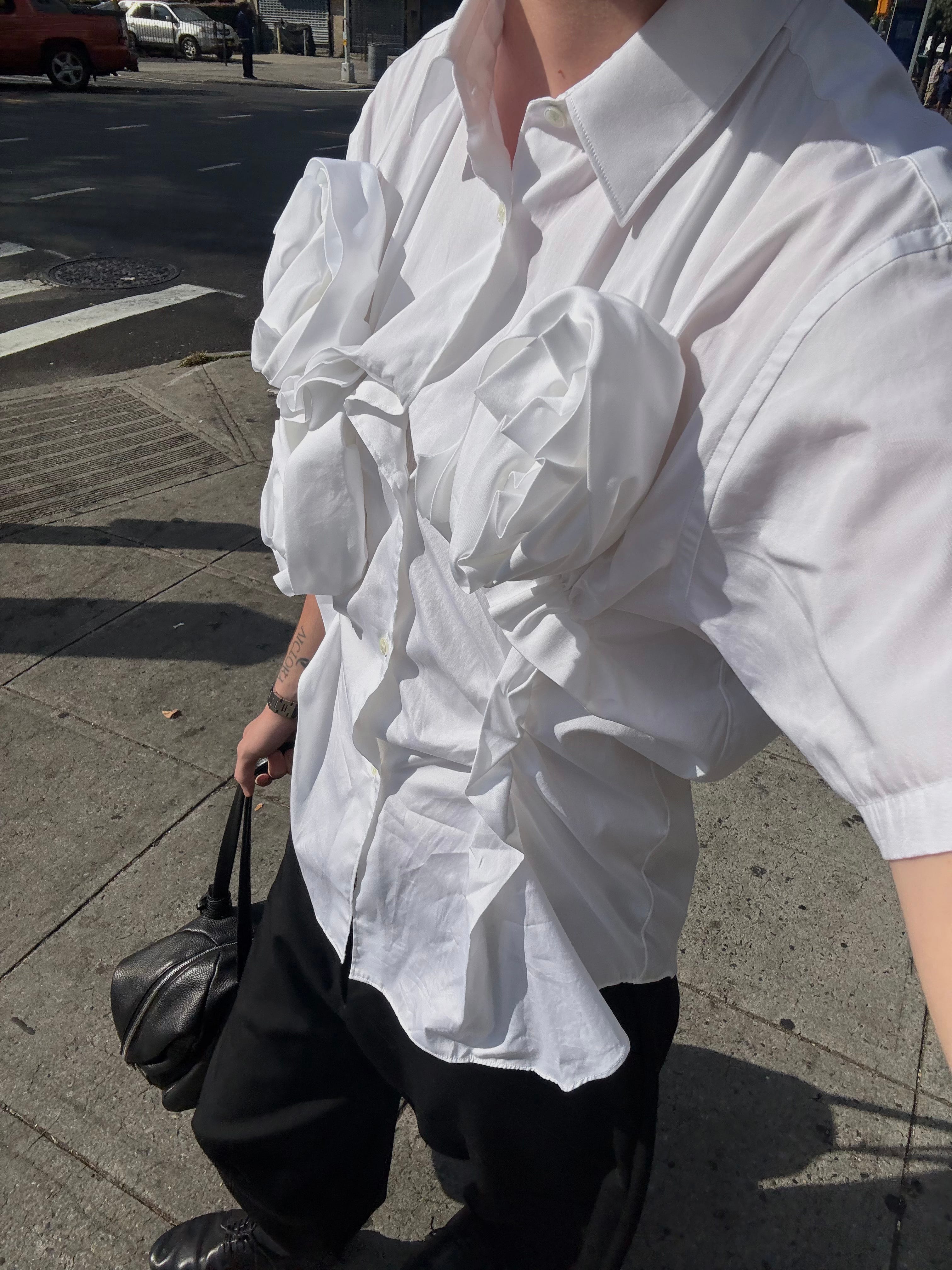
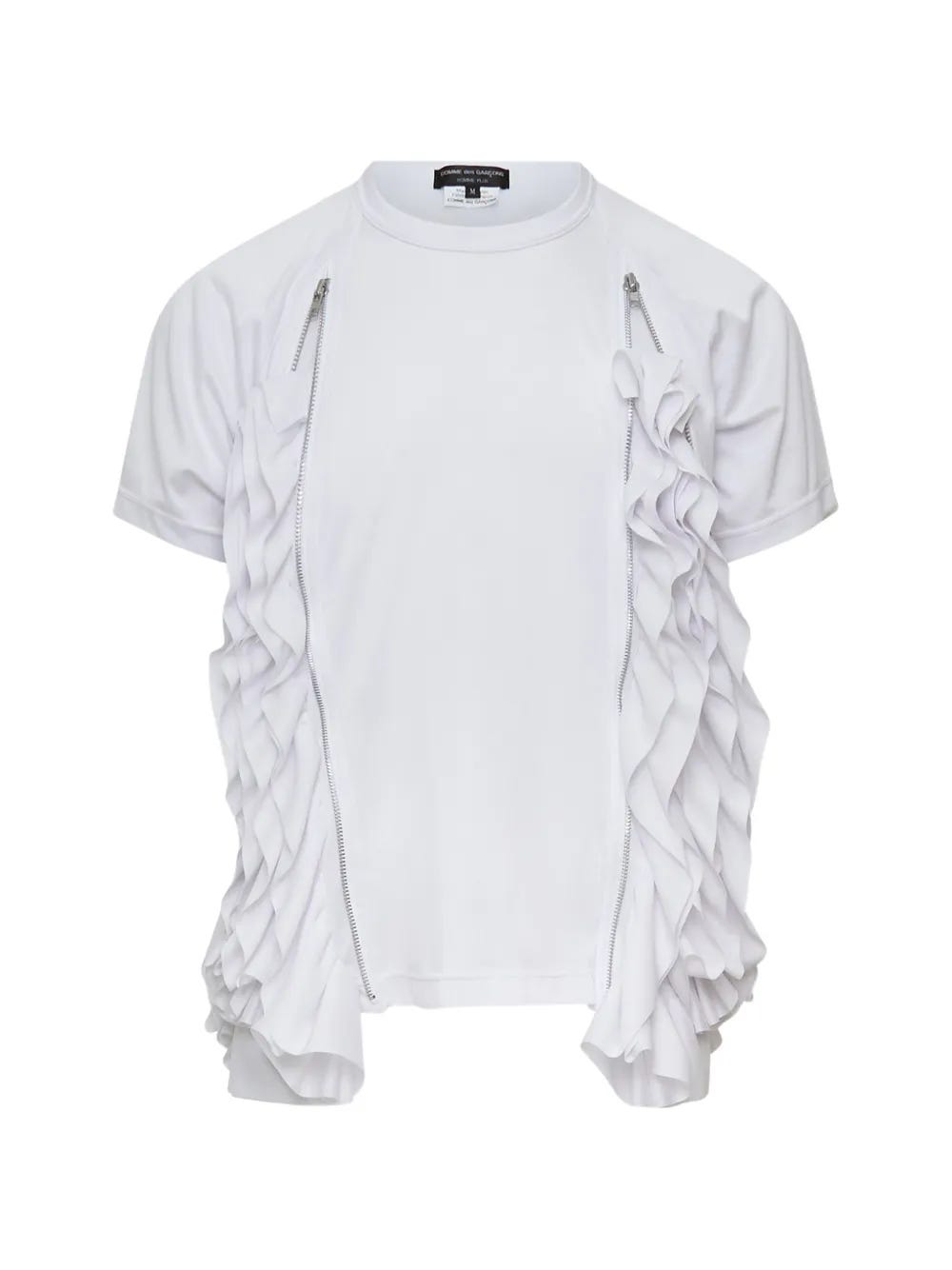
While I have simple white shirts that definitely get worn and have their place, the shirts I find myself reaching for most are the ones with something slightly unusual going on — an asymmetric hem, an exaggerated sleeve, a fabric that drapes rather than sits. There’s a CDG shirt with long strips of fabric hanging from the side that I’ve worn with pleated shorts and derby shoes — I liked it enough to pick it up in black too. It’s just a white shirt that breaks the mold, and that’s where all the interest lives.
The goal isn’t to make everything complicated. It’s to find the version of the basic that makes getting dressed and wearing it feel more special.
Leather Derby Shoes
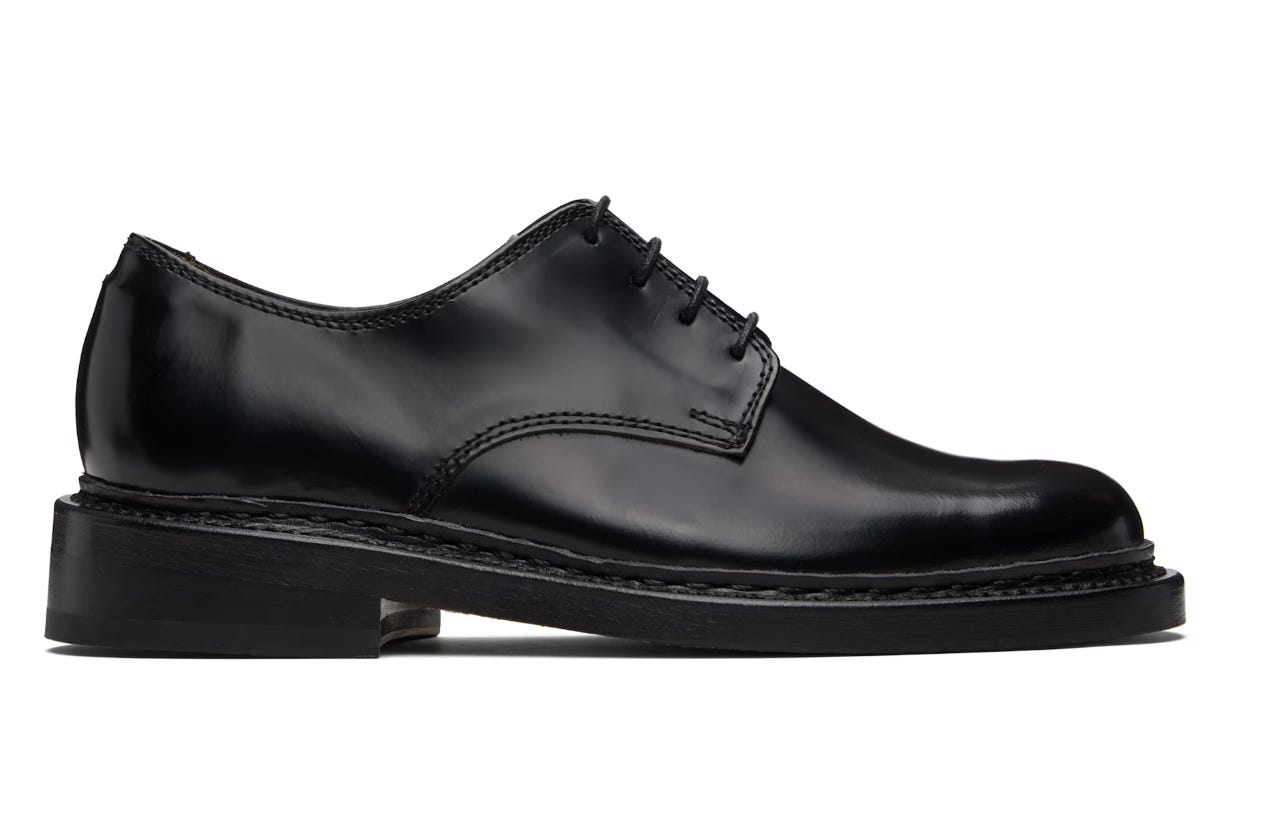
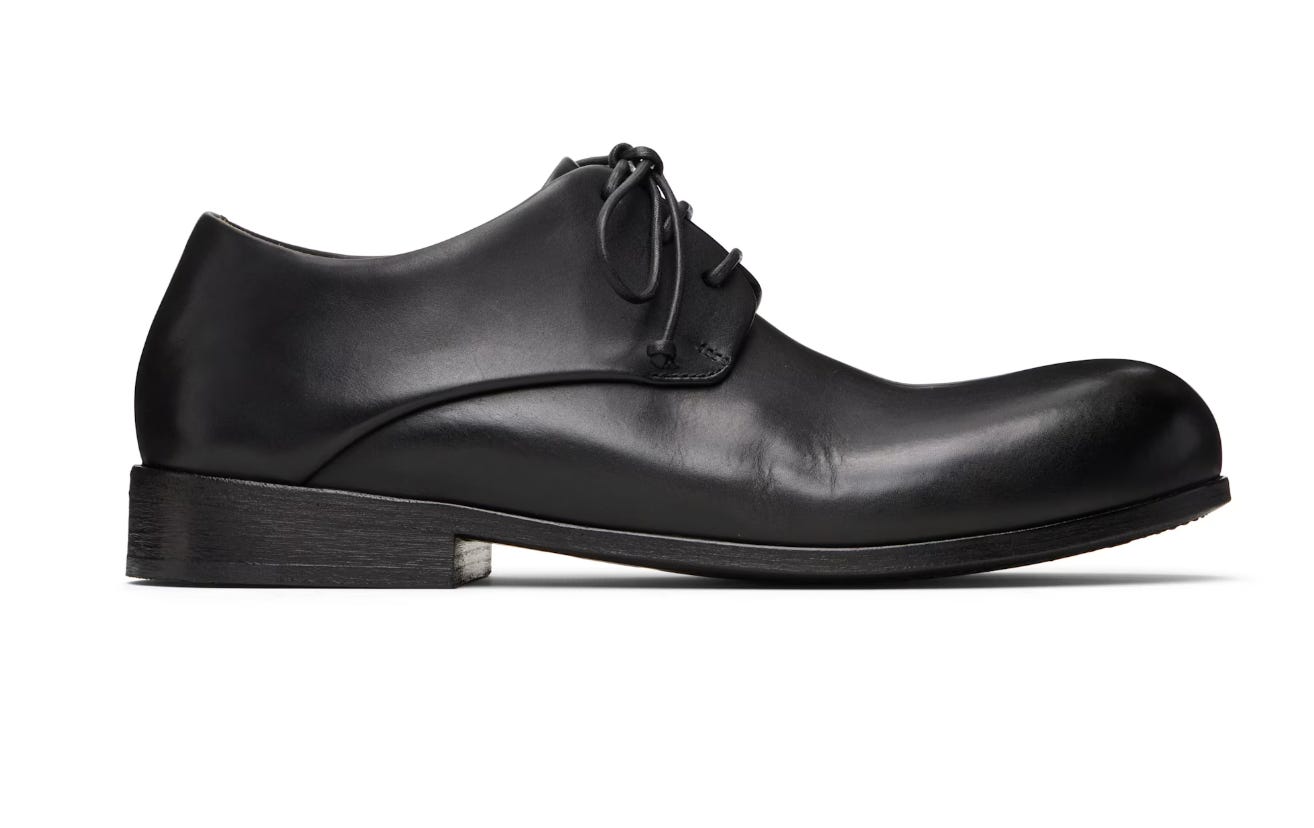
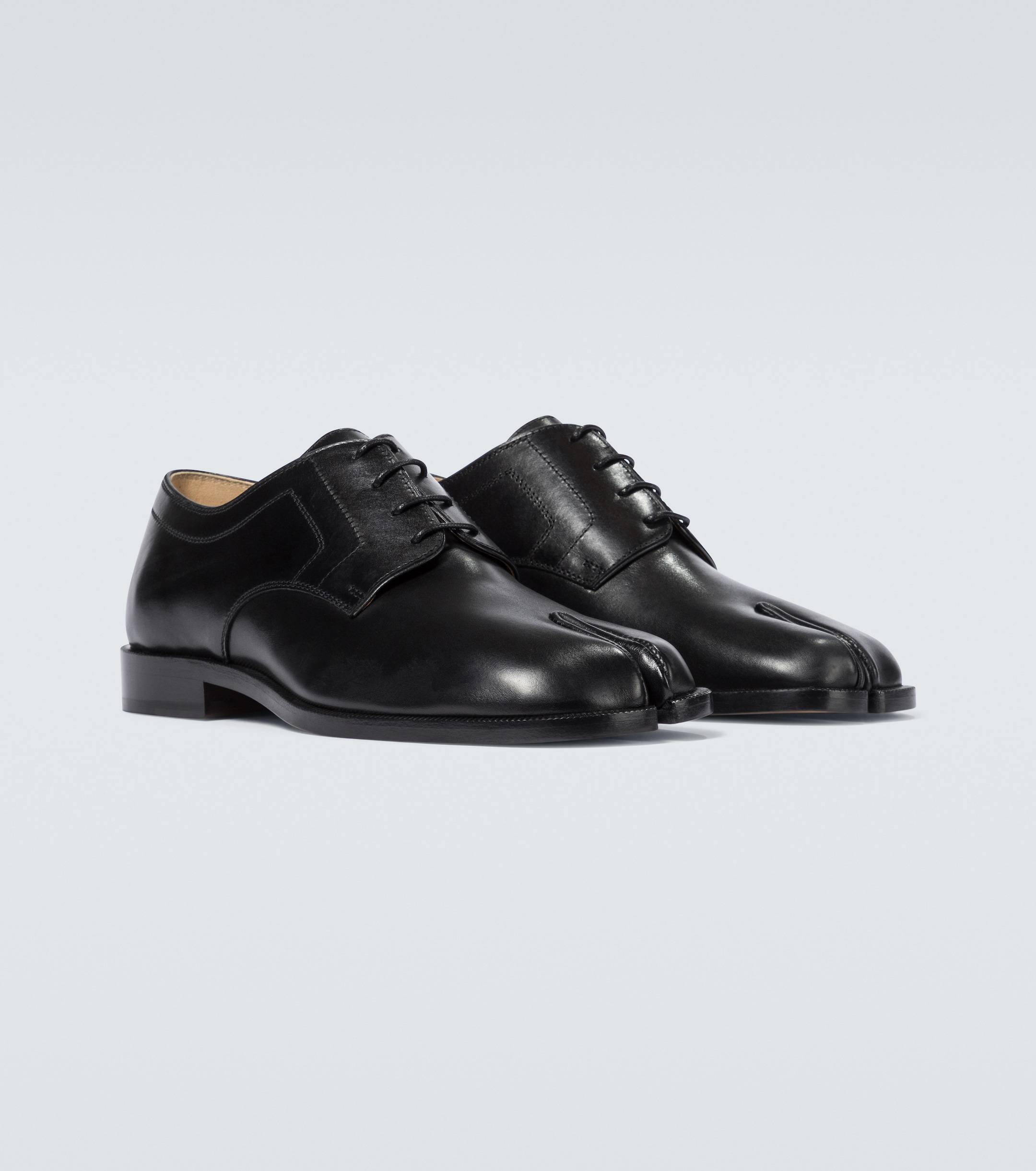
I will go to my grave insisting that a good pair of leather derby shoes is the best summer shoe — really the best all-season shoe.
I’ve been wearing them all summer long since I bought my first pair of 1461s around age 20. I’ve experimented with other shoes over the years — I always come back.
When you’re working with shorts and a vest or an oversized shirt, there’s a lot of visual openness in the silhouette. The shoe anchors it and brings back the uniform feel that I love. A derby has a way of making anything I wear feel like me.
A well-made leather derby — especially in black — gives the whole look a weight and sense of purpose that a sandal simply cannot. The sock-shoe-bare-leg combination, done correctly, is one of the most interesting proportional moves you can make in summer.
It’s not he most sensible choice, but again, it’s worth it.
Accessories: Less, But Better
I want to say something about accessories because I think the conversation around summer styling tends to go wrong here. The prevailing wisdom seems to be that summer is the time to pile on — layered necklaces, stacked bracelets, earrings, rings, a hat, sunglasses, a bag. The logic being that since the clothes are simpler, the accessories do the work.
I disagree with this 99% of the time.
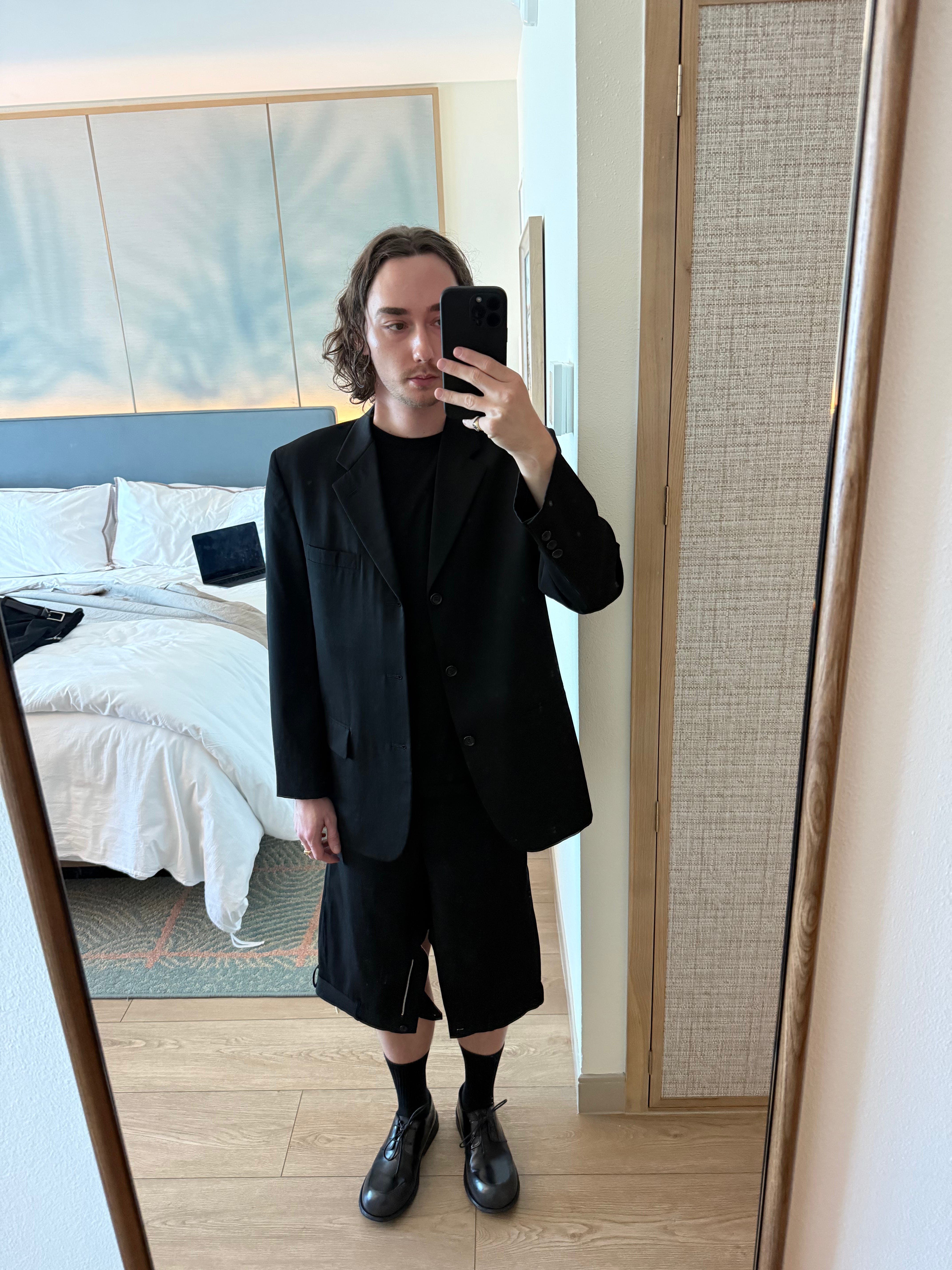
For those of us who enjoy building around silhouette and proportion — when the shape itself is the statement — accessories compete with the thing you’ve actually worked to create. They add noise to something that was designed to communicate. I’ve seen outfits built around extraordinary pieces get completely undermined by too much jewelry, too many layers, too much going on at the neck and wrists.
My approach is to choose one. A single ring or watch watch. These days, sometimes nothing. The goal isn’t minimalism for its own sake — it’s respect for well designed clothes.
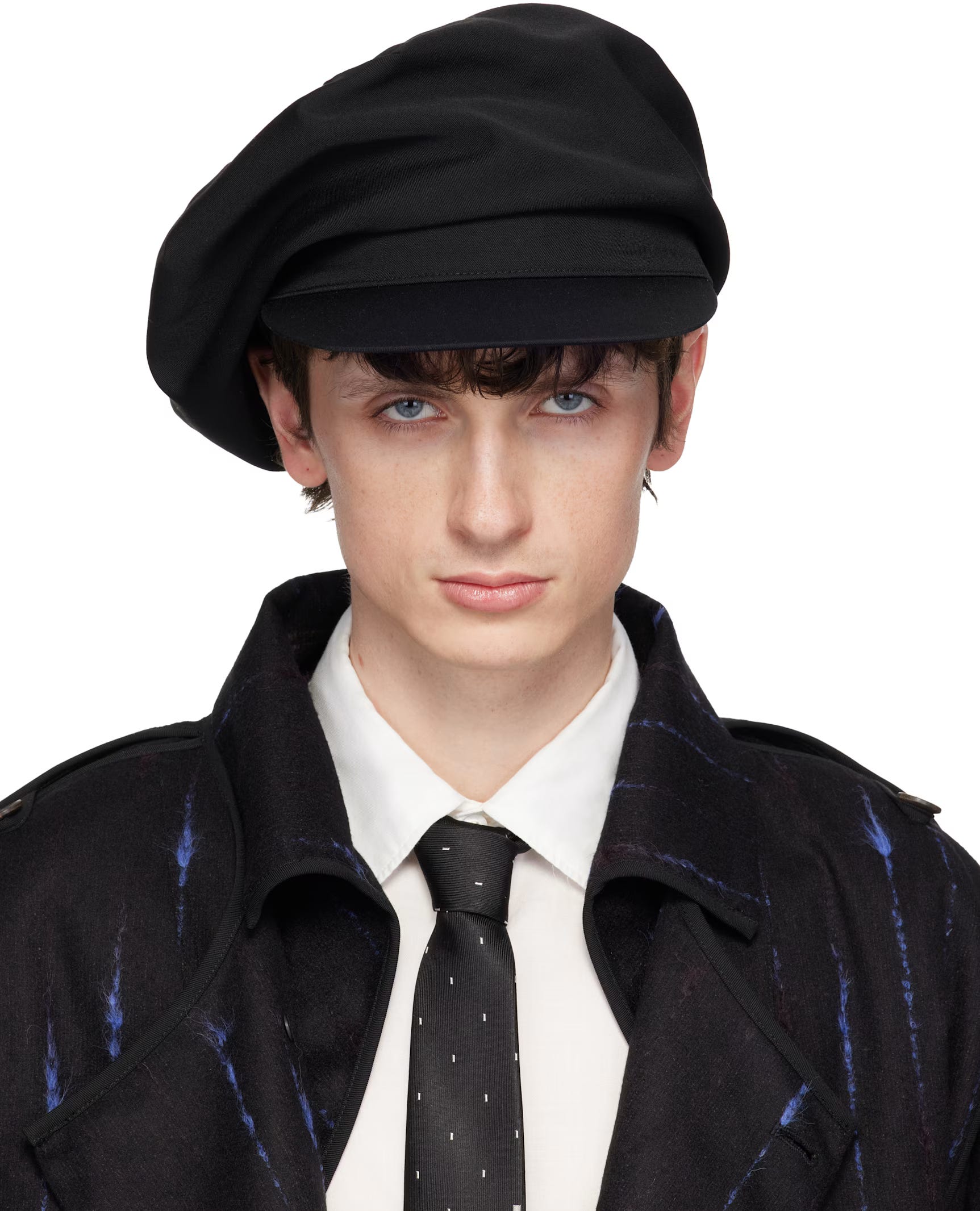
The exception is a great hat. A Yohji Yamamoto wool gabardine hat in the middle of summer sounds counterintuitive, but the drape and the shape it creates around the head adds an interesting element to an outfit without cluttering it. It becomes part of the silhouette rather than an addition to it. I'm constantly asking myself whether something I'm adding is extending the outfit or competing with it.
A few examples of impactful looks without accessories:
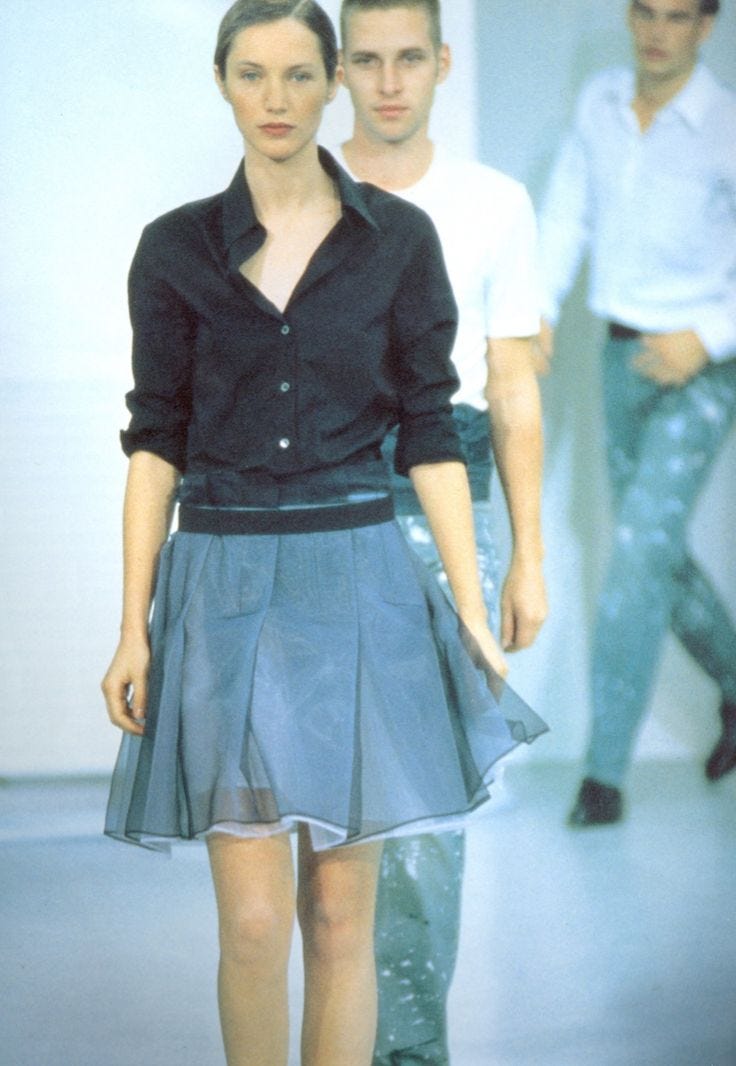
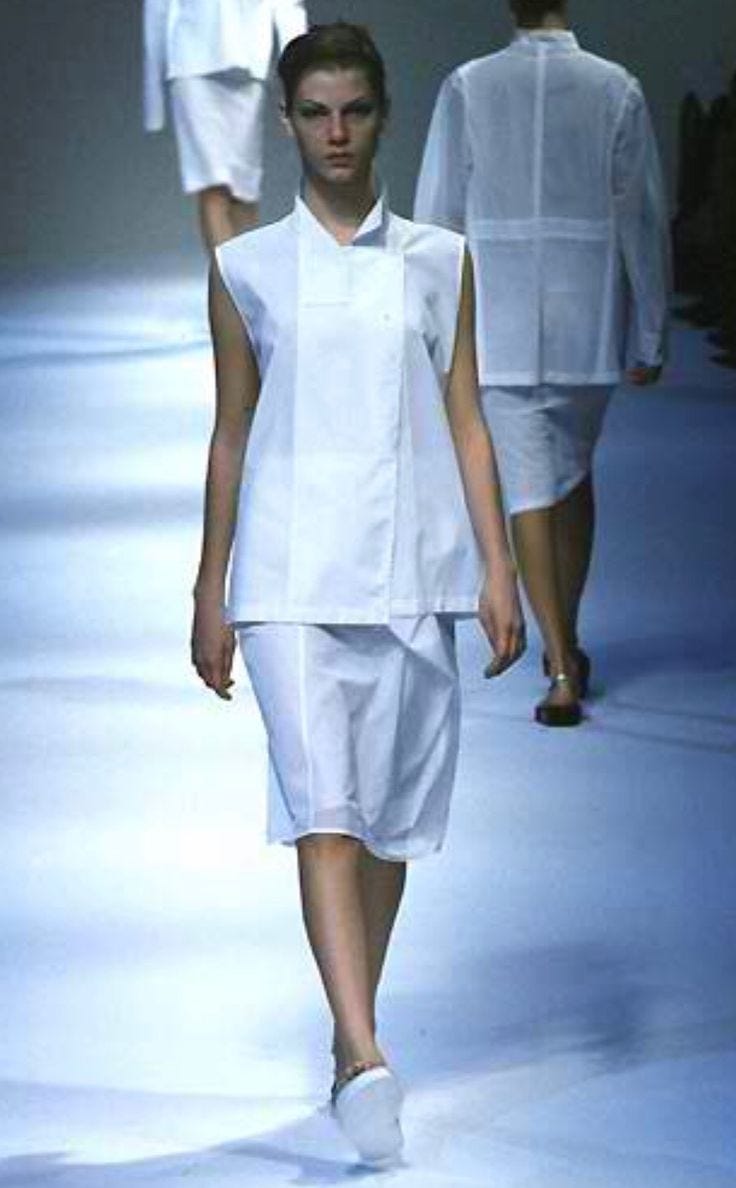
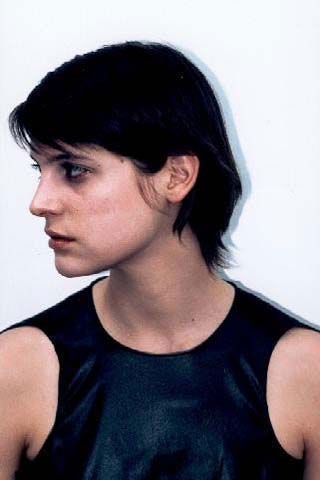
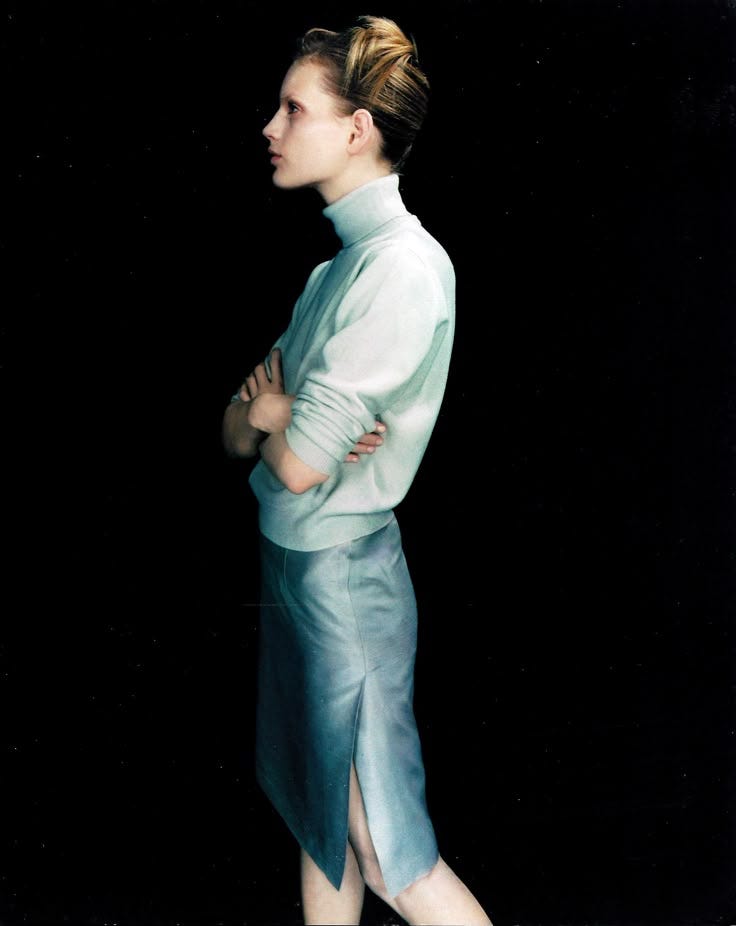
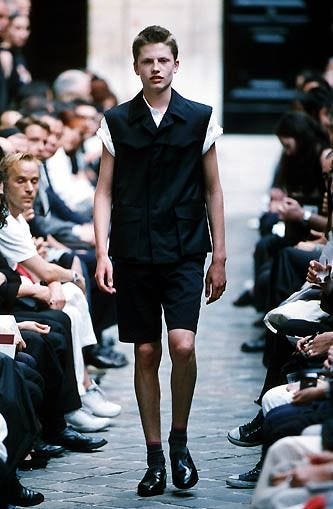
The Statement Piece
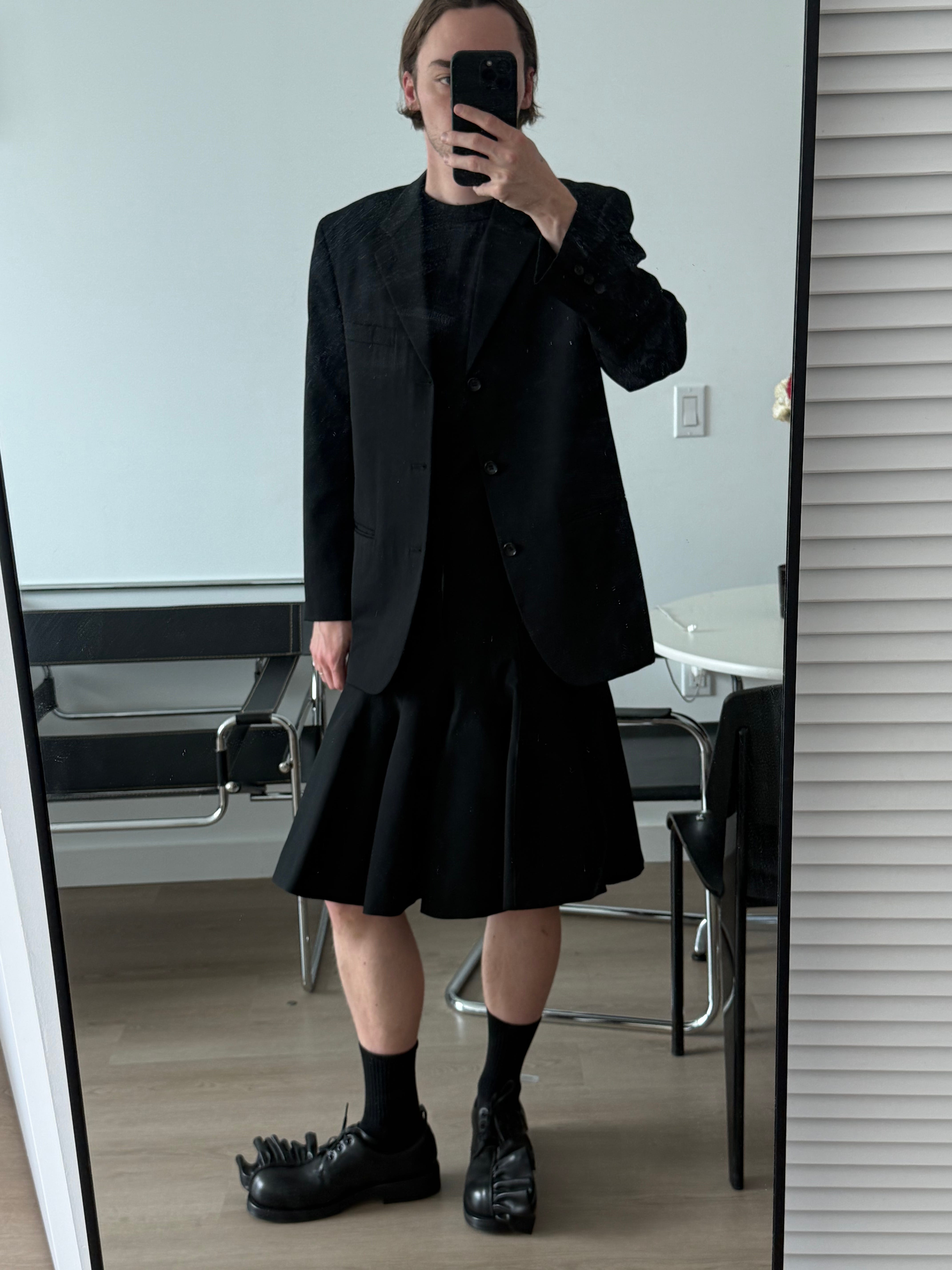
Every summer outfit I feel good in has that one piece that’s doing something unusual. Something that makes the whole outfit feel interesting and distinct.
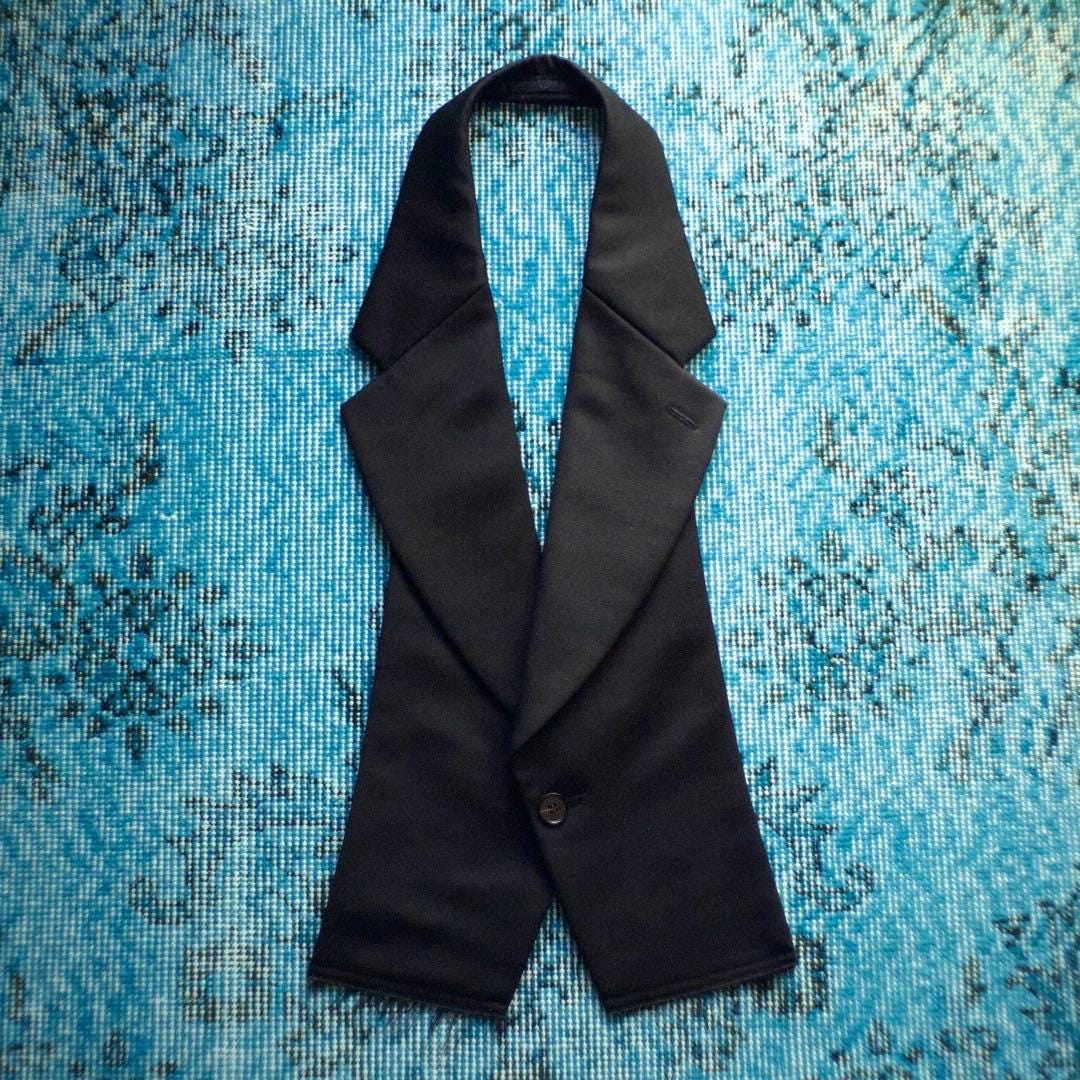
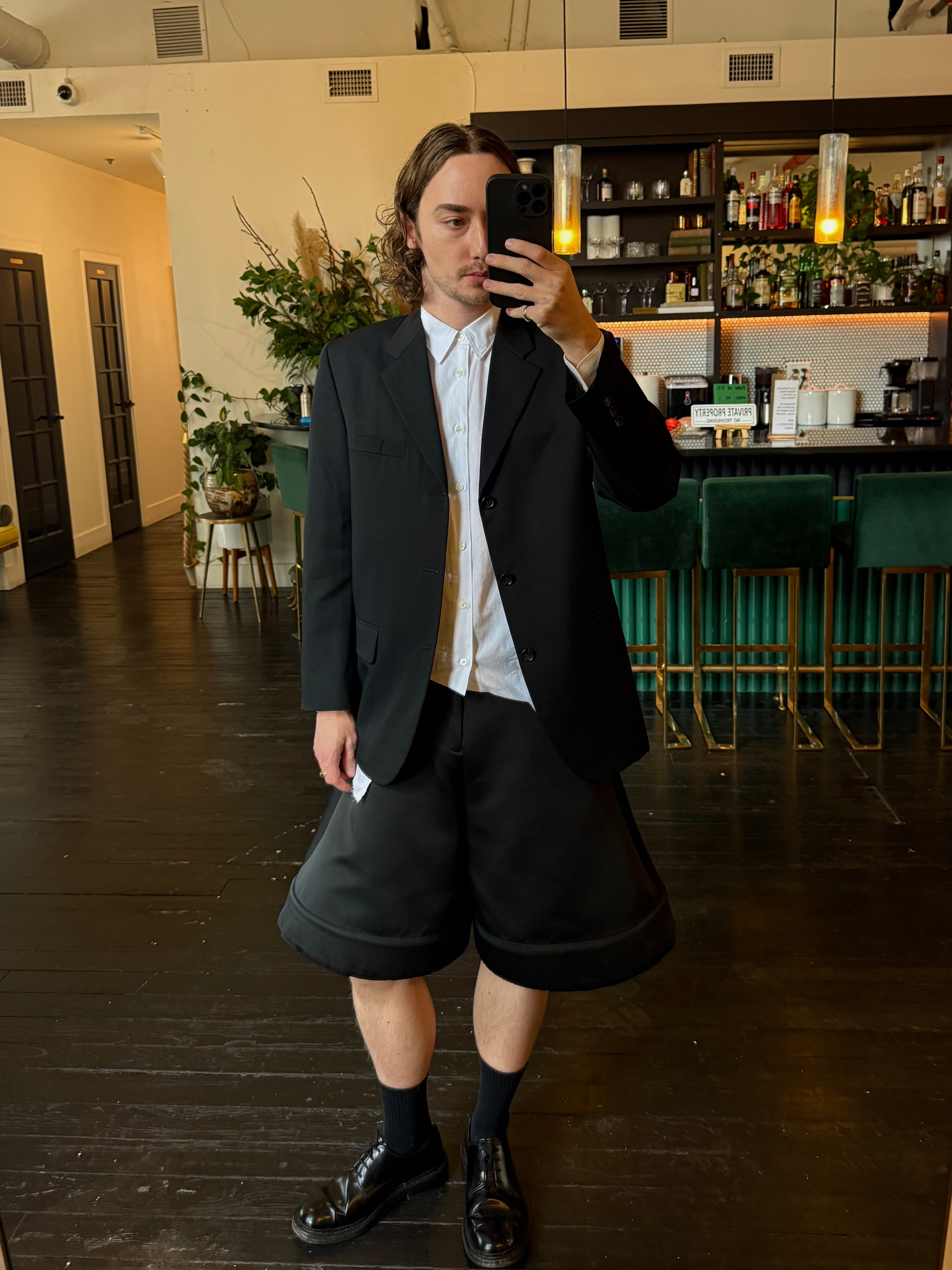
For me this summer that’s looked like a pair of CDG ruffle derby shoes, a pair of CDG shorts with a structural elastic bar built into the hem that holds their dramatic bell shape — they almost stand on their own (literally) — or what I can only describe as the idea of a blazer: a piece that is literally just a lapel, a collar, and a single button. No back. No sleeves. Just the suggestion of tailoring.
Pieces that make you stop and think “wait, what is that?”
Putting It Together
If I had to distill all of this into something actionable it would be this: treat summer the same way you treat every other season. Start with silhouette. Build around proportion. Choose one piece that’s doing something interesting and let everything else support it. Resist the urge to add more when what you actually need is better.
When you truly know your own style — when you’ve done the work of understanding what you actually respond to and why — summer stops being the season you dread and starts being another opportunity to express it. You just have to be willing to put in the same thought, the same intention, and honestly the same budget. The people who actually look forward to their summer wardrobe are the ones who treated it like it mattered.
I've never regretted putting thought into what I wear. I have regretted not doing it.
What an excellent read, thank you for your thoughtful and persuasive writing! I am in complete agreement with this: “find the version of the basic that makes getting dressed and wearing it feel more special.” Yes! Every piece should be special.
But I will agree to disagree—I am an accessory person and won’t be giving my bling up any time soon.
You almost have me convinced on shorts! 🤘